For many homeowners, energy bills are a significant part of monthly expenses, especially during colder months when hot water usage increases. While most people think about improving insulation or upgrading windows to save energy, one of the most effective yet overlooked strategies is updating your water heater. Those searching for Hot Water Heater Replacement in Wheat Ridge CO often discover that a modern, efficient water heater can dramatically lower utility costs and enhance daily comfort.
Why Consider Hot Water Heater Replacement?
Older water heaters, particularly those over 10 years old, tend to operate less efficiently due to sediment buildup, worn components, and outdated technology. This inefficiency means your system works harder to deliver the same amount of hot water, resulting in higher energy consumption and increased costs.
Replacing an outdated unit with a modern, energy-efficient model can offer several benefits:
• Lower Utility Bills: Newer water heaters are designed to use less energy, directly translating to savings.
• Consistent Hot Water: An efficient system ensures a reliable supply, minimizing cold showers and disruptions.
• Enhanced Safety: Modern units include up-to-date safety features, reducing the risk of leaks or malfunctions.
• Environmental Impact: Reduced energy consumption helps decrease your household’s carbon footprint.
Signs It’s Time to Replace Your Water Heater
Recognizing the right time to invest in a new water heater is crucial to maximizing savings and avoiding inconvenient breakdowns. Here are some common indicators that suggest replacement is necessary:
1. Age of the Unit: Most water heaters last between 8-12 years. If yours is approaching or beyond this range, consider an upgrade.
2. Rising Energy Bills: A sudden increase in utility costs without a corresponding rise in usage can signal inefficiency.
3. Inconsistent Water Temperature: Fluctuating or inadequate hot water is a red flag.
4. Strange Noises: Rumbling or banging sounds often indicate sediment buildup, which reduces efficiency.
5. Visible Leaks or Rust: Leaks around the base or rusty water can be signs of internal corrosion.
Addressing these issues promptly can help you avoid costly emergency repairs and ensure your home remains comfortable year-round.
Choosing the Right Water Heater for Your Home
Selecting the best replacement involves considering several key factors to ensure optimal performance and savings:
• Fuel Type: Water heaters can be powered by electricity, natural gas, propane, or even solar energy. Choose a type that aligns with your home’s existing utilities and energy goals.
• Size and Capacity: The size of your household and hot water usage patterns will determine the right tank size or whether a tankless system is more suitable.
• Energy Efficiency Ratings: Look for models with high Energy Factor (EF) ratings or ENERGY STAR certification for maximum savings.
• Advanced Features: Some units offer programmable settings, leak detection, and Wi-Fi connectivity for added convenience and efficiency.
Consulting with a local professional ensures you select a system that fits your needs, complies with local codes, and is installed correctly for optimal performance.
The Installation Process: What to Expect
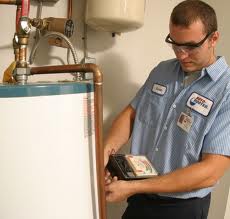
Replacing a water heater is a significant home improvement project that should be handled by licensed professionals. The process typically includes the following steps:
1. Assessment: A technician evaluates your current system and home requirements.
2. Removal: The old unit is safely disconnected and removed.
3. Installation: The new water heater is installed, connected to utilities, and tested for proper function.
4. Cleanup and Disposal: The work area is cleaned, and the old unit is disposed of in accordance with local regulations.
Professional installation ensures your new system operates safely and efficiently from day one, protecting your investment and providing peace of mind.
Maximizing Savings After Replacement
Once your new water heater is installed, a few simple practices can help you make the most of your investment:
• Set the Thermostat Appropriately: 120°F is typically sufficient for most households, balancing comfort and efficiency.
• Insulate Hot Water Pipes: This reduces heat loss and shortens the wait for hot water at the tap.
• Schedule Regular Maintenance: Annual inspections help maintain efficiency and extend the life of your unit.
• Consider Smart Controls: Timers and programmable thermostats can further reduce energy use during off-peak hours.
By following these tips, you can enjoy consistent hot water while keeping your energy bills in check.
Enjoy Comfort and Savings Year-Round
Upgrading your water heater is one of the most effective ways to lower energy bills and improve daily comfort for your household. Modern systems offer superior efficiency, reliability, and safety, making them a smart investment for any homeowner. If you’ve noticed rising utility costs or inconsistent hot water, it may be time to explore replacement options tailored to your home’s unique needs in Wheat Ridge, CO. With the right planning and professional guidance, you can enjoy long-term savings and peace of mind.